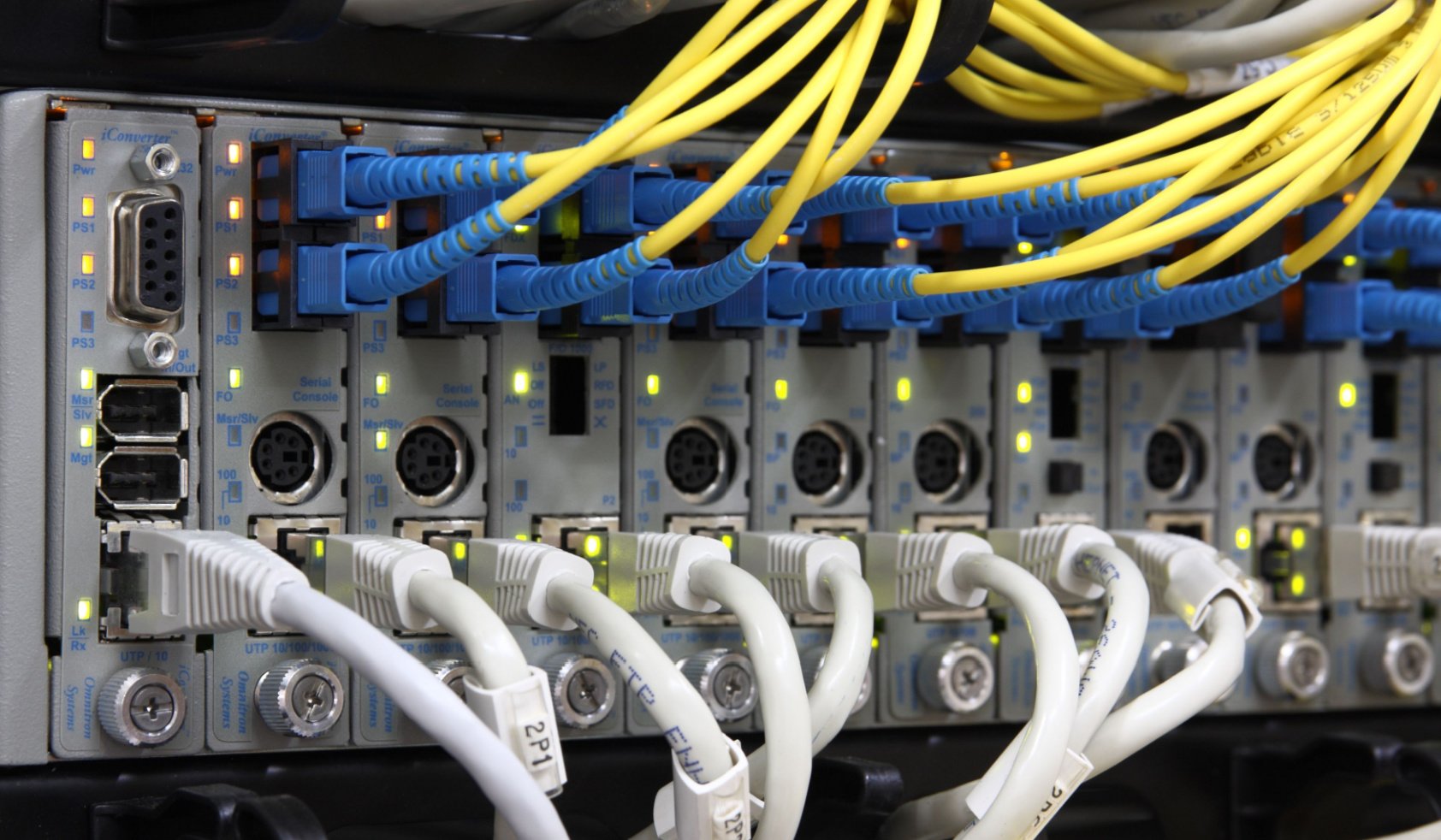
The vast landscape of networking solutions can seem overwhelming, but selecting the right tools for your business is crucial to enhancing your network's speed, size, security, and reliability. One such tool is the Ethernet media converter, a versatile device that can meet diverse networking needs. From a myriad of sizes, types, and features, there is sure to be a perfect fit for your requirements.
This comprehensive guide by comnet by Acre aims to streamline your selection process for an Ethernet media converter. Read on to understand how these devices can benefit your business, explore the range of available products, and learn about key considerations when purchasing an Ethernet media converter.
The Advantages of Ethernet Media Converters
Ethernet media converters offer numerous benefits that can significantly improve your company's network:
- Speed: These devices enable data transmission over fiber optic cables instead of copper CATx/UTP or coax cables, significantly enhancing your data transfer and transmission speeds.
- Network Expansion: Fiber optic cables can transmit data efficiently over longer distances than other cable types, allowing Ethernet media converters to extend your network by adding new devices and increasing the distance between connected devices.
- Cost Control: Ethernet media converters facilitate gradual, cost-effective network expansion using devices acquired at different times. They convert communication protocols and enable connectivity between otherwise incompatible devices, eliminating the need for costly widespread upgrades.
- Reliability: In our highly connected world, network reliability is essential. Ethernet media converters enhance your network performance by safeguarding your data from noise and electromagnetic interference.
Applications of Ethernet Media Converters
Ethernet media converters are versatile devices used in various industries, including healthcare, government, defense, telecommunications, energy and utilities, manufacturing, entertainment, and transportation. Here are some common applications:
- Expanding small business networks
- Maintaining enterprise, government, and defense network speed and security
- Facilitating data transfer between medical devices
- Supporting data transfer and processing in large data centers
- Connecting security devices
- Enabling smart manufacturing and other Internet of Things applications
- Ensuring fast and reliable audio and video transfer and streaming
Selecting the Ideal Ethernet Media Converter for Your Needs
Before purchasing an Ethernet media converter, consider the following questions:
- Data Transmission: What kind of data will you be transmitting, and how far does it need to go? Your answers determine whether you need multimode or single-mode fiber conversion or additional features such as SFP plug-ins.
- Speed Requirements: Ethernet media converters can provide speeds of 10 Mbps, 100 Mbps, or 1000 Mbps. Determine what speed you need based on your network requirements.
- Operating Conditions: Will your equipment be in a climate-controlled office or data center, or exposed to harsh conditions outdoors or on a manufacturing floor? This helps determine whether you need a specially hardened device or a standard commercial model.
- Power and Connectivity: If your device needs to provide both power and connectivity, consider Ethernet media converters with Power over Ethernet capabilities.
- Security and Monitoring Requirements: If security is critical, consider a managed Ethernet media converter with advanced features like network monitoring, remote configuration, and automatic fault detection. For lower security risks, a simple unmanaged Ethernet media converter may suffice.
- Conversion Needs: Do you need copper-to-fiber conversion, fiber-to-fiber conversion, or both? Many networks include both types of Ethernet media converters for different devices, cable types, and wavelengths.
- Installation Requirements: Based on your installation needs, choose from a chassis-mounted converter, a standalone device, or a mini-Ethernet media converter designed for small spaces.
As you can see, Ethernet media converters offer numerous benefits for building your network. However, choosing the right one requires careful consideration. That's where we come in. Comnet by acre offers a wide range of reliable, high-performance Ethernet media converters, along with free fiber optic system design and engineering support.
Trust us to provide the expertise and support you need to make the right choice for your network needs.