Modern systems can only be fully effective if the infrastructure in place has been well thought out and carefully designed. In this article, we shall look at what network infrastructure design is, the core components, as well as common mistakes that should be avoided.
What Is Network Infrastructure Design?
Network infrastructure design consists of the planning and designing of an organization’s IT setup and network. It is an essential process that lays a foundation for a reliable and efficient computer network that an organization can rely on.
A well-designed network infrastructure means that businesses can be more agile in terms of handling large amounts of data, expand their network easily as the company’s needs change, and ensure that sensitive data is securely kept across the cloud, local or remote sites.
With the rise in cloud platforms, global operations, and an increasingly remote way of working, a strong network infrastructure is more important than ever.
Core Components of Modern Network Infrastructure
Here are the core components of modern network infrastructure. They can be broken down into several categories:
Physical infrastructure
This includes hardware components such as routers, switches, servers, wireless access points (WAPs) and Network Interface Cards (NICs).
Logical infrastructure
This includes VLANs, IP addressing, and routing.
Network security tools
- Firewalls, intrusion prevention, network segmentation
- Redundancy and backup systems
- Cloud and hybrid integrations
Best Practices for Network Infrastructure Design in 2025
- Scalability and growth focused planning
Building a strong foundation that can be built upon is crucial when designing a network. Ensuring ease of scalability and growth is a must, and so with strong foundations, there are no speed bumps along the way when looking to scale quickly.
Factors such as bandwidth consumption need to be taken into account during the design phase, as your requirements will increase as you grow and expand.
Whilst it’s difficult to know exactly what your network requirements will be in the future, it’s important to design a network with scalability and growth
- Implement a security-first design
Prioritizing security from the outset means you are less likely to have any vulnerable areas in your setup. This also means the ability to plan security without the pressures of a setup that is already up and running.
Network segmentation is an excellent example of how security can be strengthened, especially in a time where there is an increased risk of cyber security attacks.
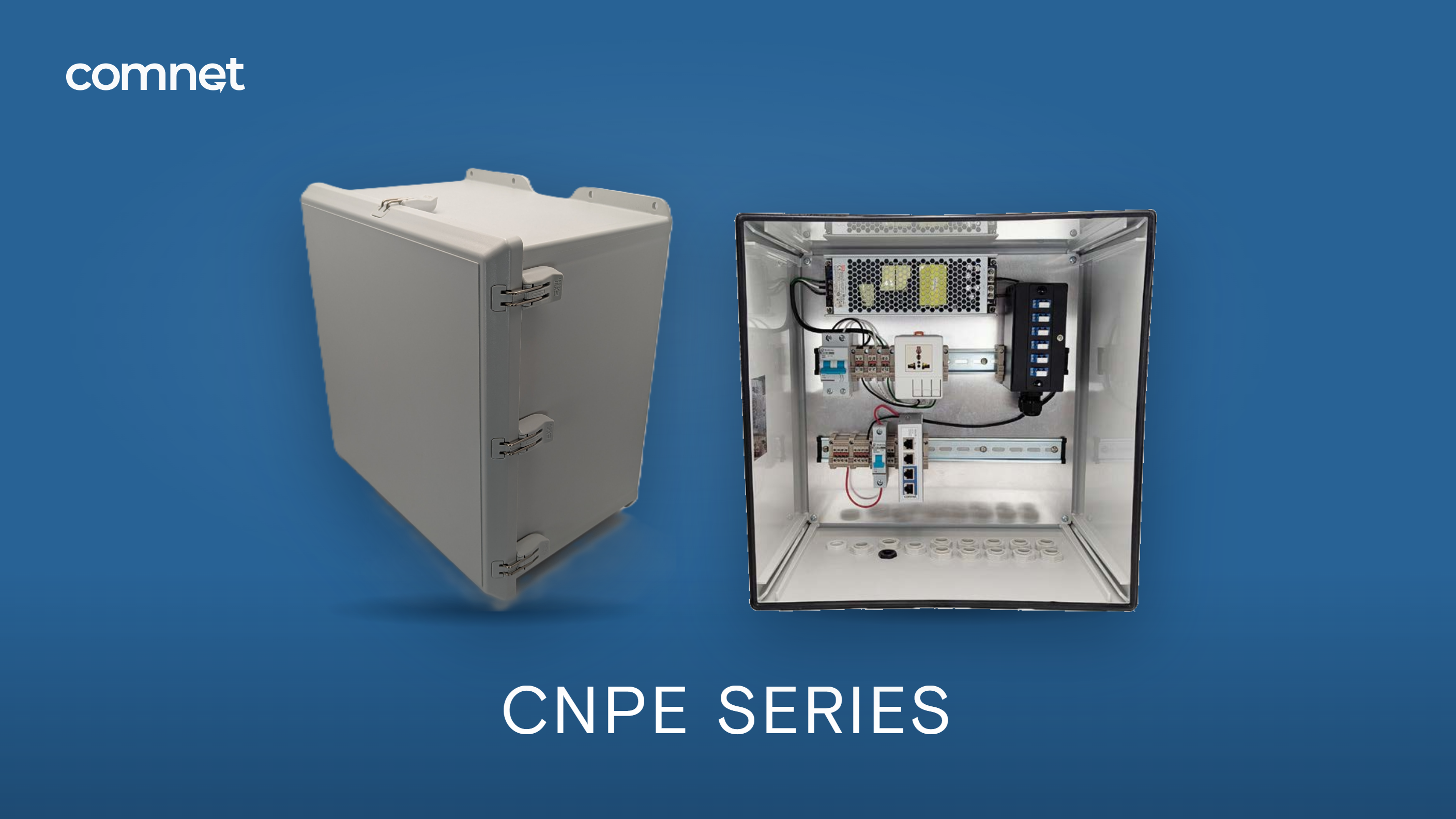
- Selecting hardware rated for tough environmental conditions
Without the correct hardware, a network simply cannot function. This is why choosing the right hardware that can withstand difficult and harsh weather conditions such as subzero temperatures or excessive heat is important, and therefore durability is one less factor a company has to worry about.
Security Considerations in Network Infrastructure Design
- Zero Trust principles for network access
Zero trust is a great example of how network security can immediately be upgraded. By removing the option of trusting a device, it provides constant verification of access requests, minimizing the risk of unauthorized access.
- Role-based access control and network monitoring
Role-based access control (RBAC) limits access to personnel based on their role at a company, as opposed to granting access to specific individuals.
- Physical security of networking equipment
Physical security is often overlooked in network design. Consider keeping hardware in dedicated cabinets with specific locks to make sure only authorized personnel are able to access network devices. Adding additional security measures such as surveillance cameras further improves overall security.
Common Mistakes to Avoid in Network Infrastructure Design
- Poor documentation of network topology
Network topology, as described by IBM, “refers to the physical and logical arrangement of nodes and connections in a computer network, which governs how data flows between devices.” An essential part of good network infrastructure design is to have all topology related information clearly documented and accessible to all relevant parties.
- Neglecting network monitoring and management tools
Constantly monitoring your network is especially important, as failure to do so can result in problems from network congestion to unnoticed security breaches, which can go on to cause serious problems in the network infrastructure.
Use network management tools to your advantage and set up automated alerts so any potential issues can be rectified and prevent downtime and disruption.
- Failing to test redundancy and disaster recovery plans
Failing to test redundancy and creating a network setup that does not allow for backup traffic paths means that the network has a single point of failure.
Lack of disaster recovery planning is another common mistake to avoid in network infrastructure design. It’s easy to assume all systems will run perfectly all the time, however in the event of a catastrophic event, there needs to be a strong network disaster recovery plan (NDRP) in place. This consists of a documented step by step guide to bring systems back in line in the event of an incident.
How to Choose the Right Networking Equipment and Technologies
- Compatibility with existing infrastructure
Compatibility with your existing infrastructure is one of the most important elements when it comes to choosing the right equipment and technology. Lack of compatibility can mean having to restructure networks which is costly and complicated. What you really want is equipment that is able to blend into your existing network without any problems, helping to enhance the existing setup.
- Vendor reliability and support
A vendor who has a proven track record in network systems is non-negotiable. Not only will they be able to provide tried and tested products, their years of experience will mean that they will be well versed in a number of network troubleshooting scenarios should any issues arise.
- Total cost of ownership considerations
Organizations need to consider the total cost of ownership regarding equipment and technologies. Total cost of ownership goes beyond the simple acquisition phase. There are ongoing costs when it comes to implementation, operational costs, and even the cost of training and staff.
How Comnet Delivers Reliable, Secure, Network Infrastructure Solutions
As specialists and industry veterans, at Comnet, we are well versed in every aspect of networking, thus being the perfect partner when it comes to delivering reliable, secure, network infrastructure solutions.
Conclusion
Network infrastructure design is a key process in optimizing an organization’s IT network, and in this article, we’ve delved into the core components and best practices for modern networking design in 2025.
From planning for scalability and growth to implementing a security-first approach, we’ve also looked at some of the security considerations to factor in. Concepts like zero trust authorization and focusing on physical security measures are a must, and it’s also important to avoid common mistakes such as neglecting network monitoring and failing to have a solid disaster recovery plan in place.
We’ve also compiled some helpful pointers on what to look for when selecting the right networking equipment and technologies.
To find out more about how we can help with your network infrastructure design, please get in touch with us at comnetsales@acresecurity.com.
-1.png)